Like

Dislike

Biological dentistry is a way of practicing that treats your mouth as part of your whole body, not as a separate set of teeth to be drilled, filled, and forgotten.
When a question comes up about a filling material, a root canal, or a lingering infection, a biological dentist asks a bigger question first: how does this connect to the rest of your health? That single shift in thinking changes nearly everything that happens in the chair. Dr. Cynthia Copeland and the team at Whole Health Dentistry in Santa Barbara have built our entire practice around it, and you're welcome to call us at (805) 729-5480 if you'd like to talk through what it could mean for you.
If you've felt that conventional dental care treated your teeth as though they had nothing to do with the rest of you, you're not imagining things, and you're not alone. Biological dentistry starts from a different premise: your oral health has real consequences for your heart, your immune system, your hormones, and more. The materials placed in your mouth, the way a problem tooth gets evaluated, the question of whether to remove or preserve, all of it deserves more thought than a quick "drill and fill" allows.
This guide goes deep. In the sections below, we walk through the full landscape of this topic:
If you've been reading up, you've probably seen "holistic dentist" and "biological dentist" used as if they mean the same thing. They overlap, but they aren't identical, and the difference is worth knowing before you choose a provider.
Start with the credential question, because it's a fair one. Biological dentists complete the same accredited dental school and licensing requirements as any other dentist. This isn't a fringe or unlicensed corner of the field. The divergence comes after that shared foundation, in philosophy and clinical priorities.
In day-to-day terms, a biological approach pays close attention to material biocompatibility, the systemic impact of chronic oral inflammation, avoiding known toxicity risks when safer alternatives exist, and informed consent that gives you a genuine picture of your choices rather than the fastest route to a finished tooth. Because "holistic" carries no fixed definition, the more useful thing to do when comparing providers is to look past the label and ask what protocols, training, and materials a practice actually uses.
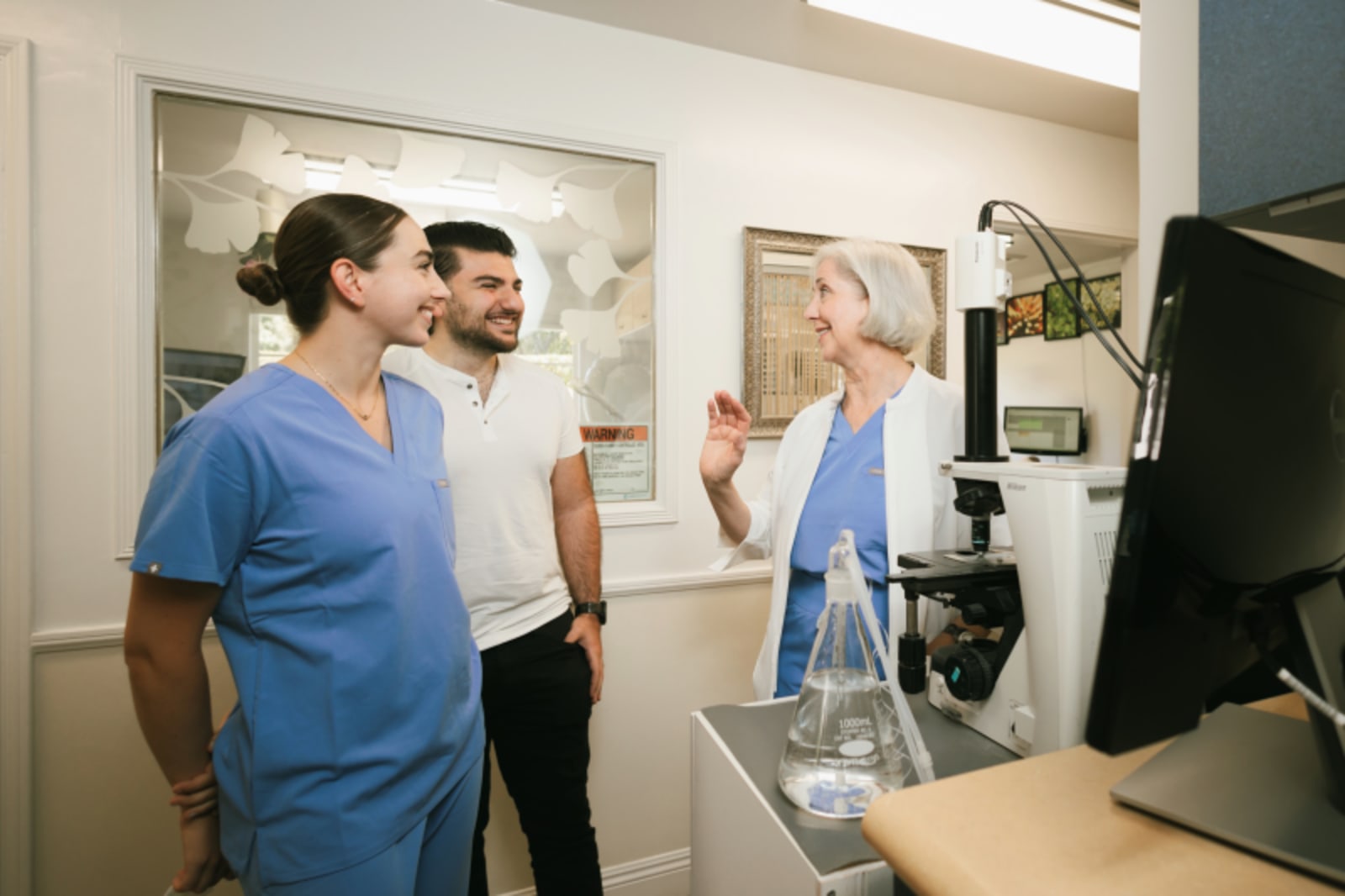
The reason any of this matters comes down to one idea: your mouth is a gateway to the rest of your body, not a sealed-off compartment. Chronic inflammation in the gums, a steady bacterial load from an untreated infection, or long-term exposure to certain materials doesn't necessarily stay put in your jaw. The body is connected, and what happens in your mouth can quietly show up somewhere else entirely.
The link between gum disease and cardiovascular health is one of the most studied examples. Researchers have also explored relationships between oral health and diabetes, respiratory conditions, and pregnancy outcomes. The science keeps evolving, but the core idea is straightforward: chronic oral inflammation creates a burden your body has to manage, often for years, often without obvious symptoms. This is why our biological approach to dentistry looks at the whole person rather than just the teeth.
A few of the pathways worth understanding:
People dealing with hard-to-explain fatigue or autoimmune flares sometimes find that a quiet oral infection was part of the picture. We can't promise the mouth is the answer to every unexplained symptom, and we won't pretend otherwise. What we can say is that looking at your full health history, rather than just your chart, is how Dr. Copeland and our team in Santa Barbara figure out what your mouth might actually be telling us.
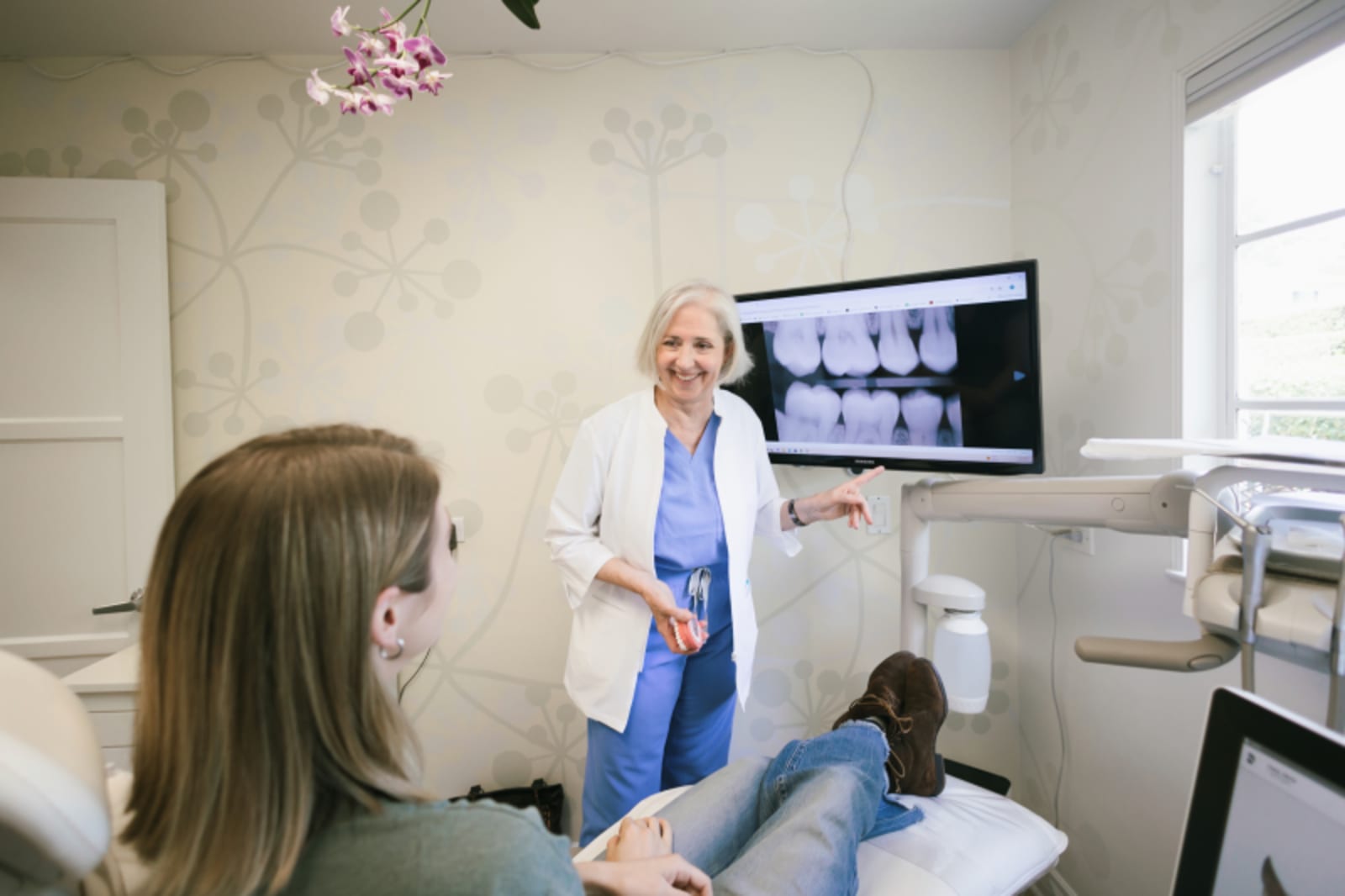
If what happens in your mouth affects the rest of your body, then what goes into your mouth matters just as much. A lot of patients have quietly wanted to have this conversation for years.
If you've wondered about mercury in old silver fillings, BPA in tooth-colored composites, the metal alloys in crowns and bridges, or fluoride, you're not overthinking it. These are reasonable questions, and a biocompatibility-minded approach takes them seriously. The point of a biocompatibility lens is simple: understand how a material interacts with your body, not just how long it survives in your mouth.
Here's how that plays out in practice:
This matters most if you've already had dental work done and you're wondering what's in there now. Asking about amalgam alternatives or safer crown materials doesn't make you a difficult patient. Those questions are a normal part of the intake conversation, not a special request.
Few topics in dentistry are as charged as mercury fillings.
Silver amalgam fillings are roughly half mercury by weight, they release small amounts of mercury vapor over time and especially when disturbed, and major dental and government bodies continue to debate how much that matters for whom. Some people are more vulnerable than others, and the science is still being argued in public forums and advisory hearings.
If your current dentist made you feel foolish for raising this, that reaction says more about them than about your question.
What everyone does agree on is that drilling out an amalgam filling carelessly is the riskiest moment of all, because cutting into it releases a burst of vapor. That's the whole reason a safe removal protocol exists.
SMART stands for Safe Mercury Amalgam Removal Technique, a protective protocol developed by the International Academy of Oral Medicine and Toxicology (IAOMT) to reduce mercury vapor exposure during removal. We are IAOMT SMART certified, so this isn't something you have to fight for or hope someone takes seriously. The layers of protection generally include:
Not every old amalgam needs to come out, and removing one badly is worse than leaving it alone. The right answer depends on your sensitivities, the condition of the filling, and your goals, which is exactly the kind of thing we'd talk through before any decision gets made.
Once you start looking, you'll see the acronym IAOMT everywhere. The International Academy of Oral Medicine and Toxicology is a science-based organization that sets research and training standards for dentists focused on the oral-systemic connection. It's a professional community built around peer-reviewed evidence and ongoing education, not a marketing badge.
Involvement generally means continuing education in biocompatible materials and safe mercury removal, adherence to evidence-based protocols, and accountability to a peer community that keeps members current. You can read their standards and research directly at iaomt.org.
Credentials are a starting point, not the whole story. When you're vetting a biological dentist, here's what's worth asking about:
Spend any time in health communities and you'll find people describing years of unexplained symptoms, inconclusive tests, and providers who couldn't find anything wrong. Sometimes the jaw is where that story begins.
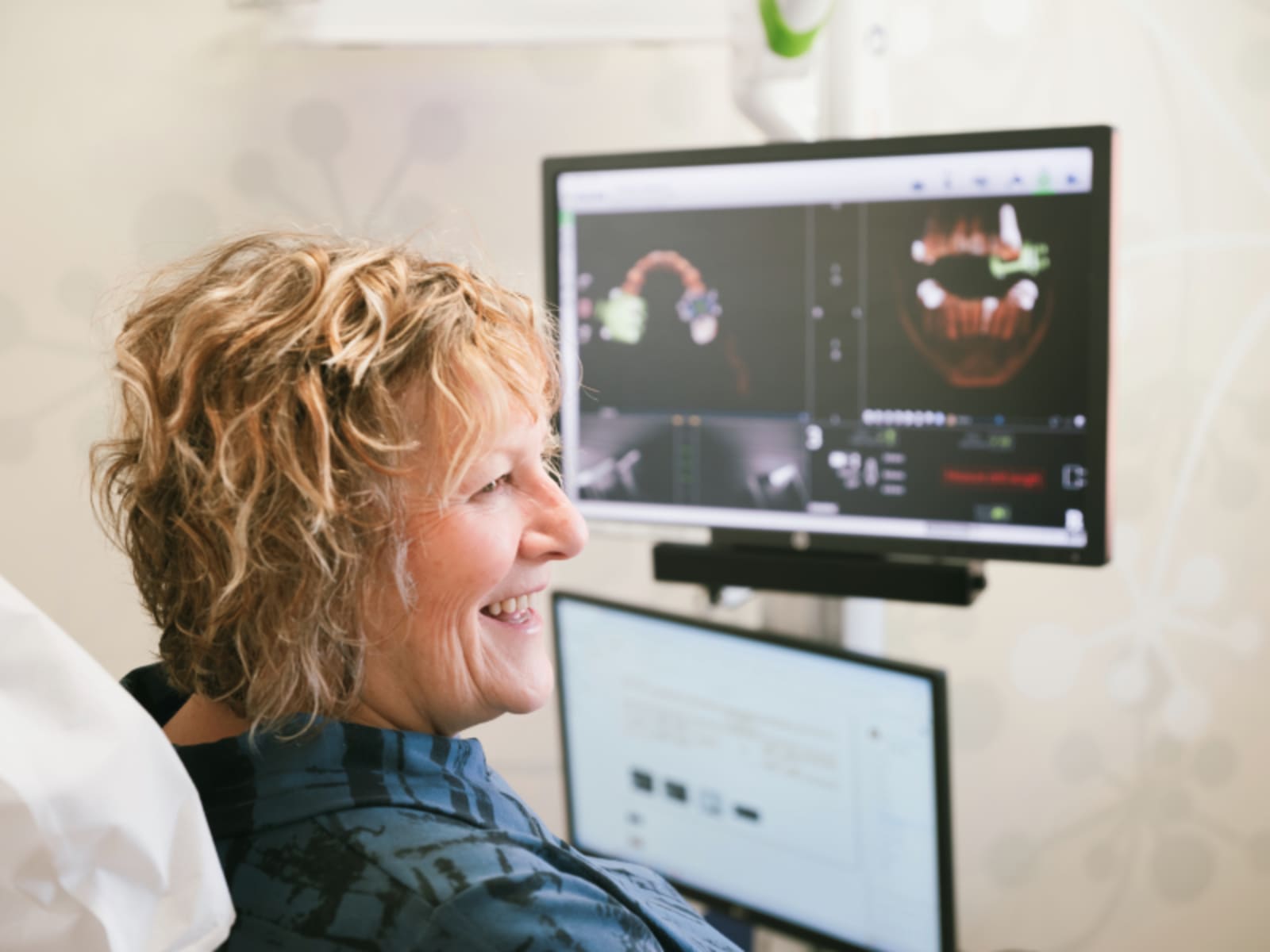
Cavitations are areas of incomplete bone healing in the jaw, most often where a tooth was extracted years ago, sometimes after wisdom tooth removal. The bone doesn't fully regenerate, leaving a pocket of poor circulation and disrupted tissue. Because standard X-rays don't always reveal the full quality of the bone, these sites can go undetected for a long time. Investigating them takes more thorough imaging and a careful look, not a quick reassurance that everything seems fine. Our approach to diagnosis is designed to uncover variables like these rather than overlook them.
Conventional dentistry treats a root canal as a routine way to save a tooth, and for many people it works well. However a root canal doesn't mean that is the end of the story, as it is not possible to clean out all of the organic material during a root canal procedure. Remaining organic material continues to break down into other molecules which are not healthy.
This is not due to an Endodontist’s lack of skill but an issue inherent to the tooth itself. The biological view asks an additional set of questions; can the tooth's living pulp be preserved instead with a sterile laser and bioactive sedative filling to encourage healing? If tooth death is unavoidable or has already occured, is remaining tooth structure worthy of repair? Does the individual have immune or health issues that could be exacerbated by a lingering infection?
Oftentimes tooth removal as part of a well thought out treatment plan is a good alternative. Periodic evaluations of root canal treated teeth combined with changes in the patients health overtime are factors we consider when looking at an individual’s whole-body health.
TMJ dysfunction is widely recognized and still frequently undertreated. Jaw pain, clicking, headaches, neck tension, and trouble chewing often get waved off as stress. A whole-health approach looks at how the jaw joint, bite, airway, and surrounding muscles work together, because they never operate in isolation. The conditions we watch closely here include cavitations and incomplete healing at old extraction sites, TMJ dysfunction and its ripple effects on sleep and posture, bite misalignment that wears teeth down over time, and airway issues tied to jaw position.
When a tooth can't be saved, the next question is how to replace it well. Implants are a strong long-term option, and the material debate here mirrors the broader biocompatibility conversation.
Neither is automatically "right" for everyone. Candidacy depends on your bone volume and quality, your bite, your overall health, and your own preferences about materials. Bone preservation and grafting often come into the conversation too, because protecting and rebuilding the foundation is what makes a long-lasting result possible. When grafting is part of your treatment, the graft material holds space so your own cells can move in and replace it over time. How well you build new bone in that area depends on factors like Vitamin D levels, other key nutrients, stress, hydration, and your overall health, so we look at the whole picture. Supplements and testing are available to support your healing, and we encourage you to bring any current lab results from your primary care provider.
Beyond implants, biocompatible restorations include all-ceramic crowns, onlays that conserve more of your natural tooth, and metal-free bridges. Having an in-house ceramic lab means many of these can be made and placed without temporaries, which keeps the process simpler for you. If you wear a retainer, nightguard, or other oral appliance, please bring it to any appointment where a new restoration is being placed so we can confirm proper fit, bite alignment, and long-term comfort before you leave the chair.
A lot of biological dentistry is about doing less, more thoughtfully. Several treatment approaches aim to preserve your natural tooth structure and reduce the need for aggressive intervention.
These approaches suit people who want to keep their own teeth as long as possible and who'd rather start with the least-invasive option that's actually appropriate. They aren't a substitute for treatment when a tooth genuinely needs more, and a good provider will be honest with you about where the line is.
Something brought you here, and it probably wasn't idle curiosity. Maybe a nagging health concern your doctor can't explain. Maybe a chair where you felt like a set of teeth rather than a person. Maybe you simply want to know what's going into your body before it goes in, not after.
This kind of care tends to resonate most with people who recognize themselves in a few of these. You don't have to check every box:
You don't need a complex history or a specific worry about amalgam to belong here.
Questions before you're ready to book are completely fine. Call (805) 729-5480 and just talk it through, or stop by our office at 1824 State Street in Santa Barbara when you're ready.
There's no pressure and no commitment to a treatment plan on day one, just a conversation about where you are and where you'd like your health to go.

Send Us a Text: 855.441.0001
Or click below to schedule an appointment online - our team is ready for you and ready to help keep your health the focus.