Like

Dislike
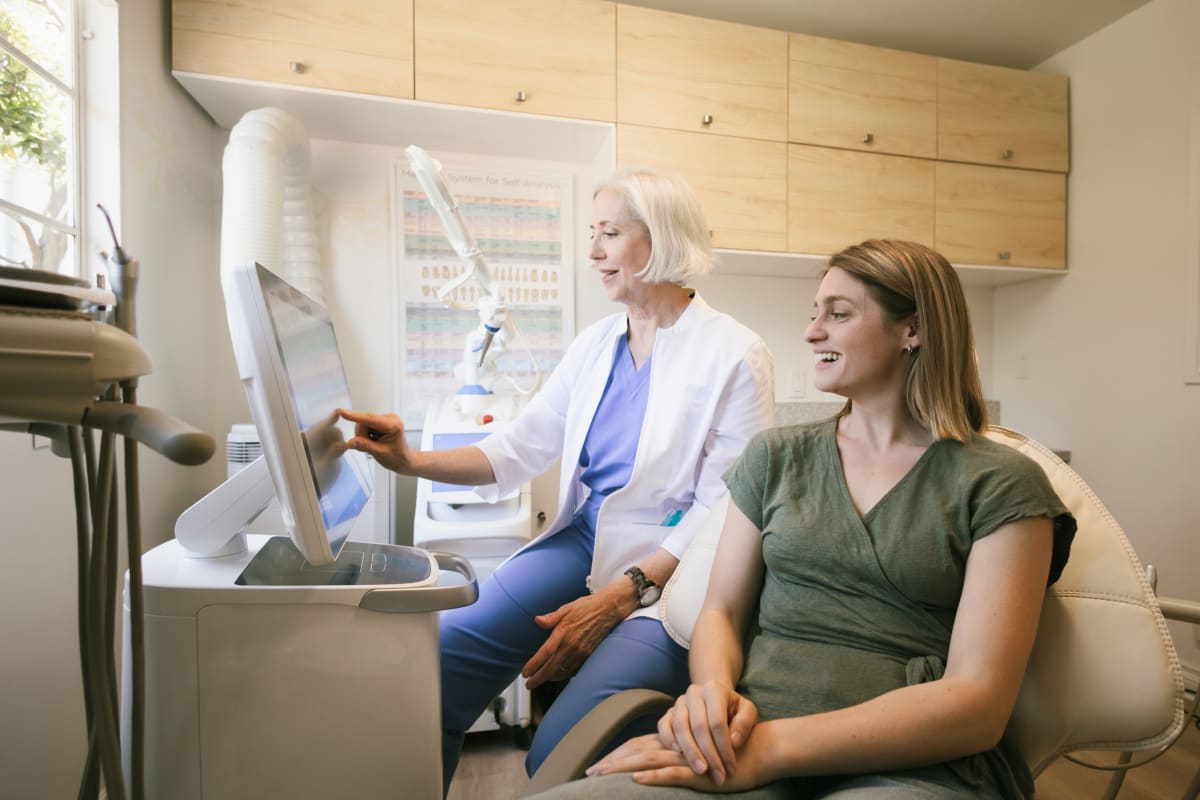
When a dentist tells you that you need a bone graft before an implant, it's normal to leave that appointment with more questions than you came in with. What is it, exactly? Does it hurt? How long does it take? And is it really necessary?
At Whole Health Dentistry, we start by making sure you actually understand what a bone graft does. It doesn't become part of you. What it does is hold space so your own cells can migrate into the area and lay down new bone over time. Your body does the building. How well that happens depends on the material we choose, and on your overall health: your Vitamin D levels, other key micronutrients, hydration, and stress all play a direct role in how well your cells respond. That's not a footnote. It's central to how we plan and support your care.
We have supplements and testing available, and we may ask about others depending on your situation. Current lab results from your primary care provider are always welcome. If you'd like to talk through your options, call us at (805) 729-5480 and we'll set up a time to talk at our State Street office.
When the material and technique are right, a graft does more than just prep you for an implant:
A graft becomes necessary when the jaw has lost enough density or volume that an implant wouldn't have anything solid to anchor to. That bone loss can happen gradually after a tooth is removed and the site isn't addressed, or over years of gum disease quietly working away at the structure underneath. You may need a graft if you:
A graft isn't always the only path forward. If bone loss is minimal, or if an implant isn't what you're after, there are other options worth discussing. Either way, Dr. Copeland looks at the full picture before recommending anything, including the systemic factors that affect how well your body responds to any grafting procedure.
Not all grafting materials are created equal, and the difference matters more than most patients realize. Because the graft holds space for your own cells to work, the material placed there needs to be something your body can work alongside, not something it has to fight. Every material used at Whole Health Dentistry is evaluated for biocompatibility with exactly that in mind. If you've had reactions to dental materials before, or you're simply cautious about what goes into your body, that's not an unusual concern here.
The same standard applies across every procedure, from tooth-preserving dentistry to surgical and regenerative work. Dr. Copeland is IAOMT accredited and SMART certified for mercury-safe amalgam removal, and ceramic and zirconia implants are available for patients who want to stay metal-free throughout their treatment.
For most patients, the window before an implant can be placed is a few months. We'll give you a realistic estimate based on your specific case, because how quickly your body lays down new bone depends on your overall health, not just the size or location of the graft.
In the days after the procedure, expect some tenderness, sensitivity along the gumline, and mild swelling. It typically settles within the first week.
If discomfort isn't improving, or gets worse instead of better, let us know. We follow up after procedures and would rather hear from you early than have you wait it out on your own.
Before your appointment:
After the procedure:
What a bone graft costs depends on how much bone needs rebuilding and the specifics of your case. We can't give you a real number until we've seen your imaging and talked through your situation.
If cost is a concern, say so at your consultation. We'd rather have that conversation early than have it be the thing that stops you from getting care you need.
Most dental practices treat the tooth in front of them. Dr. Copeland treats the person attached to it. That difference shows up in the specifics:
Dr. Copeland's background spans integrative biological dentistry, functional medicine, and advanced surgical training. If you've had experiences at other practices that left you with more questions than answers, that's something she takes seriously.
It depends on your case, and that's a conversation worth having before anything is scheduled. We don't default to whatever's cheapest or easiest to stock. We evaluate materials for biocompatibility and explain exactly what's being placed and why before we begin.
During the procedure, the area will be thoroughly numbed. Oral sedation and nitrous oxide are available if you want more support than local anesthetic alone. Afterward, some tenderness and swelling for the first several days is normal; most patients tell us it was less than they'd anticipated.
For most patients, a few months. But the timeline isn't just about the size of the graft; your overall health plays a real role in how quickly your body responds. We look at the full picture before giving you a realistic estimate.
Yes. Vitamin D, other key micronutrients, hydration, and keeping stress in check all affect how well your body responds. We have supplements and testing available, and we may ask about specific levels before or after the procedure. If you have recent lab results from your primary care provider, bring them.
Yes. We offer ceramic and zirconia implants through the Swiss BioHealth protocol, and we select grafting materials that keep your entire treatment consistent; no metal at any stage if that's your goal.
No referral needed. You're welcome to reach out directly and we'll figure out together whether bone grafting makes sense for your situation.
We don't bill insurance directly, but we'll give you the documentation to seek reimbursement from your plan. Some dental benefits offer partial coverage when a graft is tied to documented bone loss. Cost and financing details are covered earlier in this page.
If you've been told you need a bone graft and you're not sure what to do with that information, that's exactly where we start. You don't need to have it figured out before you call.
Dr. Copeland looks at the full picture before recommending anything: your nutrition, your health history, your labs, and what your body needs to actually build new bone. That's what a whole-body approach to grafting means in practice. Call us at (805) 729-5480 and we'll set up a time to talk at our Santa Barbara office.

Send Us a Text: 855.441.0001
Or click below to schedule an appointment online - our team is ready for you and ready to help keep your health the focus.